LIBAAX Book Insights

starting over
Cedric Mu, LIBAAX Book Insights

Cedric Muhikira and the Power of Starting Over

Introduction Starting over is rarely easy. It often comes with uncertainty, fear, and the weight of leaving something familiar behind. Yet, within that uncertainty lies something powerful. The Power of Starting is not just about beginning again, it is about redefining who you are and what you are capable of becoming. Through reflections often linked with Cedric Muhikira, the idea of starting over takes on a deeper meaning. It becomes less about loss and more about transformation. Life does not always follow a straight path, and sometimes, the most meaningful growth begins when everything feels like it has been reset. Understanding the Power of Starting helps people see new beginnings not as setbacks, but as opportunities to build something stronger and more aligned with their true self. Why Starting Over Feels So Difficult Let’s be honest. Starting over can feel overwhelming. Whether it is moving to a new place, changing careers, or rebuilding life after a personal setback, the emotional weight can be intense. One of the biggest reasons is attachment. People become comfortable with routines, relationships, and environments. Even when those situations are not ideal, they feel safe because they are familiar. Another challenge is uncertainty. Starting over means stepping into the unknown. There are no guarantees, and that lack of control can create anxiety. Cedric Muhikira’s perspective often highlights that this discomfort is natural. It is part of the process. The Power of Starting lies in accepting that discomfort rather than avoiding it. Growth rarely happens within comfort zones. The Hidden Strength in New Beginnings While starting over can feel like losing ground, it often creates space for growth. When familiar structures are removed, people are forced to rely on their inner strength. This is where resilience begins to develop. Without old patterns to depend on, individuals start discovering new ways of thinking, acting, and solving problems. The Power of Starting becomes clear in these moments. It is not about having everything figured out. It is about moving forward despite uncertainty. For example, someone who relocates to a new country may struggle at first with language, culture, and routine. Over time, they adapt. They learn new skills, build new relationships, and gain confidence. What once felt impossible becomes part of their everyday life. This transformation is not instant. It is built through consistent effort and patience. Rebuilding Identity from the Ground Up Starting over often comes with a shift in identity. When people leave behind familiar roles or environments, they begin to question who they are without them. This can feel unsettling, but it is also an opportunity. It allows individuals to redefine themselves based on their current values rather than past expectations. Cedric Muhikira’s reflections suggest that identity is not fixed. It evolves with experience. The Power of Starting gives people the freedom to shape that evolution intentionally. Instead of holding onto outdated versions of themselves, individuals can choose what aligns with their present goals. This process leads to a stronger and more authentic sense of identity. Practical Ways to Embrace Starting Over While the emotional side of starting over is important, practical steps can make the process smoother and more manageable. Accept the Beginning Phase Every new start comes with a learning curve. It is important to accept that things may feel slow or uncertain at first. This phase is temporary but necessary. Focus on Small Wins Instead of expecting immediate results, focus on small achievements. Each step forward builds confidence and creates momentum. Stay Open to Learning New environments and situations bring new lessons. Staying curious and open helps individuals adapt more quickly and effectively. Build Support Systems Connecting with others can ease the transition. Whether through friends, colleagues, or communities, support plays a key role in maintaining motivation. These actions reflect the practical side of the Power of Starting, showing that progress is built through consistent effort rather than instant success. The Emotional Growth That Comes with Change One of the most valuable aspects of starting over is emotional growth. Facing uncertainty, managing fear, and adapting to change all contribute to a deeper understanding of oneself. People often discover strengths they did not realize they had. They become more resilient, more patient, and more adaptable. This emotional growth extends beyond the initial experience. It influences how individuals approach future challenges. Once someone has successfully navigated a fresh start, they are more confident in handling change again. The Power of Starting is not limited to a single moment. It creates lasting impact by shaping mindset and behavior over time. Changing Perspective on Failure Starting over often follows what feels like failure. A job loss, a broken relationship, or an unsuccessful venture can push people into a new beginning. However, perspective matters. What feels like failure can actually be a redirection. It creates space for new opportunities that may not have been possible otherwise. Cedric Muhikira’s viewpoint encourages seeing these moments as part of a larger journey. Instead of focusing on what went wrong, the focus shifts to what can be built next. This shift in mindset is a core part of the Power of Starting. It transforms setbacks into stepping stones, allowing individuals to move forward with purpose rather than regret. Building a Future with Intention Starting over offers a unique advantage. It allows individuals to build their future with intention. Without the constraints of past routines or expectations, there is freedom to make deliberate choices. This includes choosing environments, relationships, and goals that align with personal values. It also involves letting go of what no longer serves growth. By approaching new beginnings with clarity and purpose, individuals can create a life that feels more meaningful and fulfilling. The Power of Starting is not just about beginning again. It is about building better, with awareness and intention guiding each step. Conclusion Starting over is one of the most challenging experiences a person can face, but it is also one of the most transformative. Through the perspective of Cedric Muhikira, we see that new beginnings

Grow Your Roots
LIBAAX - Immigrant Journeys, LIBAAX Book Insights

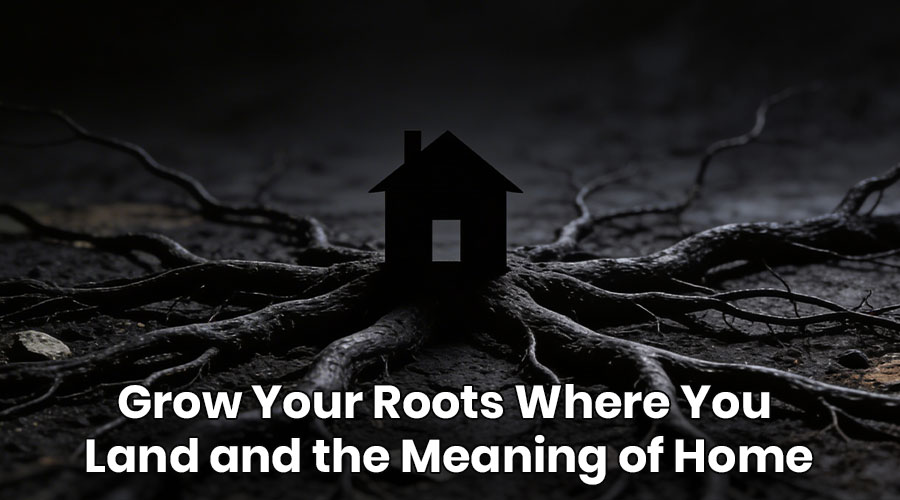
Grow Your Roots Where You Land and the Meaning of Home

Introduction What does “home” really mean? Is it a place, a memory, or a feeling we carry within us? For many people navigating change, migration, or personal transformation, this question becomes deeply personal. The idea to Grow Your Roots wherever life takes you challenges traditional views of belonging and identity. It shows that home is not always something we return to—it is something we create. As life moves forward, the ability to Grow Your Roots becomes essential in shaping a meaningful and grounded identity. Identity and Belonging in New Spaces How much should they adapt? How much should they hold onto their past? This balance is not always easy. It requires self-awareness and patience. The journey of finding belonging often includes moments of doubt, confusion, and growth. The idea to Grow Your Roots helps simplify this process. It reminds individuals that belonging is not about fitting perfectly into a new space. It is about creating connections that feel genuine and meaningful. Emotional Strength in Starting Over Starting over can feel overwhelming. It often comes with uncertainty, loneliness, and the pressure to adapt quickly. One of the key lessons from Book Libaax is that emotional strength develops through these challenges. Each step forward builds confidence and resilience. Learning to Grow Your Roots in a new place requires trust in oneself. It means accepting discomfort as part of the journey and recognizing that growth takes time. Over time, what once felt unfamiliar begins to feel like home. It shows that stability is something we create, not something we find instantly. Practical Ways to Grow Your Roots Building a sense of home in a new environment does not happen automatically. It requires intention and effort. Create Meaningful Connections Relationships play a major role in feeling grounded. Engaging with people, sharing experiences, and building trust can create a sense of belonging. Stay Connected to Your Past Holding onto traditions, language, or personal values helps maintain a sense of identity. Embrace the Present Being open to new experiences allows individuals to fully engage with their environment. This openness helps create new memories and connections. Be Patient with the Process Growing roots takes time. It is important to allow space for adjustment without rushing the process. The Role of Storytelling in Understanding Stories have always helped people make sense of their experiences. They provide a way to reflect, connect, and understand complex emotions. Book Libaax uses storytelling to explore themes of identity, belonging, and transformation. Through narrative, readers are able to see their own experiences reflected in new ways. Storytelling creates a shared understanding. It reminds people that they are not alone in their journey. Redefining Stability in a Changing World In today’s world, change is constant. People move for opportunities, education, relationships, and personal growth. This constant movement challenges traditional ideas of stability. The concept of Grow Your Roots offers a new way to think about stability. It suggests that stability comes from within, not from external circumstances. Book Libaax reinforces this idea by showing that identity and belonging can remain strong even in changing environments. It highlights the importance of adaptability and self-awareness in maintaining a sense of balance. Conclusion The journey of finding home is deeply personal and constantly evolving. Through the insights shared in Book Libaax, we see that home is not limited to a single place. It is something we build through relationships, experiences, and self-understanding. The idea to Grow Your Roots wherever you are reminds us that belonging is not something we wait for it is something we create. By embracing change, staying connected to our identity, and building meaningful connections, we can find stability even in unfamiliar spaces.

Emotional Life
Cedric Mu, LIBAAX Book Insights

The Emotional Weight of Building a Life from Scratch

Introduction Starting fresh is never simple. Whether through migration, career change, personal loss, or life-altering decisions, building a life from scratch comes with both opportunity and profound emotional weight. The process forces individuals to confront uncertainty, reassess priorities, and redefine identity. For many, the journey is as internal as it is external. It is not just about finding a new home, job, or social circle—it is about constructing an entirely new foundation for life. Building a Life from Scratch requires courage, patience, and self-compassion, especially when the familiar structures of support are no longer present. Literature, memoirs, and personal narratives often capture this process with remarkable empathy. They explore the tension, fear, hope, and determination that accompany starting over, allowing readers to relate, reflect, and find guidance in their own journeys. The Challenge of Starting Over When people embark on building a life from scratch, they face a host of challenges. Practical concerns like housing, finances, employment, and social networks intersect with emotional ones like identity, belonging, and self-esteem. The very act of leaving behind the familiar creates a sense of loss. People mourn not only physical locations but also routines, relationships, and sometimes the sense of self that existed within those contexts. This emotional weight can feel heavier than the logistical hurdles. Yet, challenges also provide opportunities. They invite creative thinking, problem-solving, and the chance to shape life according to personal values rather than inherited circumstances. Building a Life from Scratch is about balancing loss and opportunity in ways that are sustainable and meaningful. Emotional and Mental Shifts The process of starting anew triggers intense emotional and mental shifts. Anxiety, doubt, and loneliness are common companions, especially in the early stages. People may question their choices, capabilities, and sense of purpose. However, over time, these emotions often give way to self-discovery. Individuals learn resilience, patience, and adaptability. They develop a deeper understanding of their strengths and limitations, which becomes the foundation for growth. In narratives exploring Building a Life from Scratch, this transformation is central. The emotional journey is as significant as any external accomplishment. Characters—and real people—emerge more self-aware, grounded, and capable of handling uncertainty. Practical Steps in Building a New Life While emotions are central, practical steps play an equally vital role. Establishing routines, securing basic needs, and creating a sense of stability are essential. Breaking down goals into manageable tasks helps prevent overwhelm. For example, someone relocating to a new country might first focus on housing, then employment, and finally social connections. Each milestone, no matter how small, provides momentum. Education, skill-building, and networking also contribute to long-term success. By investing in practical development alongside emotional well-being, individuals create a solid framework for growth and adaptation. Building a Life from Scratch is not about instant results—it is about consistent, thoughtful progress. Community, Support, and Relationships No one builds a life in isolation. Relationships and community play a critical role in sustaining motivation, providing guidance, and alleviating loneliness. Support may come from family, friends, mentors, or local communities. Finding spaces that validate experience, offer empathy, and encourage growth can dramatically influence the trajectory of rebuilding life. Stories often highlight how connections bridge the gap between fear and confidence. Emotional support and practical advice help individuals navigate unfamiliar terrain and reinforce their sense of belonging. By cultivating supportive networks, people reduce the emotional weight of starting over and increase the likelihood of long-term success. Personal Growth and Resilience One of the most profound outcomes of building a new life is personal growth. Facing uncertainty, confronting limitations, and learning to adapt foster resilience. These qualities are not innate—they develop through sustained effort and reflection. People who rebuild often emerge with a more nuanced understanding of identity, purpose, and values. They learn to integrate lessons from the past while embracing the possibilities of the future. Building a Life from Scratch also cultivates emotional agility. Individuals learn to tolerate discomfort, take calculated risks, and persist despite setbacks. These traits extend beyond the immediate challenge, enriching all aspects of life. Ultimately, the experience transforms not only circumstances but character, providing insight and strength that endure long after initial goals are achieved. Conclusion Starting over is not just a practical endeavor—it is deeply emotional. Building a Life from Scratch challenges people to navigate uncertainty, redefine identity, and confront both loss and opportunity. The journey tests resilience, patience, and courage. Yet, it also offers profound rewards. Individuals emerge more self-aware, adaptable, and capable of shaping a meaningful life. Emotional growth, practical skills, and supportive relationships converge to create a foundation that is both stable and flexible. Through stories, literature, and lived experience, we see that starting anew is more than a series of external actions. It is a holistic process that transforms who we are, how we relate to the world, and how we envision the future. The emotional weight of building a life from scratch is real, but so is its potential to cultivate strength, purpose, and fulfillment.

Roots and Reinvention
Cedric Mu, LIBAAX Book Insights

The Inner Conflict Between Roots and Reinvention

Introduction Every person carries a quiet tension inside them. On one side are roots, the traditions, values, memories, and identities shaped over time. On the other side is reinvention, the urge to change, grow, and become something new. This inner conflict is not rare. It is deeply human. As people move through different stages of life, they often question how much of their past they should carry forward. Some feel anchored by their roots, while others feel limited by them. Reinvention promises freedom, but it can also bring guilt and uncertainty. This emotional struggle explains why the idea of Roots and Reinvention resonates so strongly with people across cultures and generations. It reflects the challenge of honoring where we come from while allowing ourselves to evolve. Understanding Our Roots Roots are more than family history or cultural background. They include childhood experiences, beliefs, language, and the stories passed down through generations. Roots provide stability and a sense of belonging, especially during times of uncertainty. For many, roots act as an emotional anchor. They remind people of who they were before life became complicated. This connection can bring comfort and confidence. It shapes values and influences decisions in subtle but powerful ways. At the same time, roots can feel heavy. Expectations tied to family, culture, or community sometimes create pressure to remain the same. When personal goals begin to differ from inherited paths, inner conflict often begins. This is where the tension between tradition and change becomes visible, setting the stage for Roots and Reinvention to collide. The Desire to Reinvent Reinvention is driven by growth. It emerges when people realize that their current identity no longer fits their aspirations or reality. This can happen after migration, career changes, personal loss, or exposure to new environments. The desire to reinvent is not about rejection. It is about alignment. People want their outer lives to reflect their inner truth. Reinvention offers a way to redefine goals, beliefs, and self image. However, reinvention often comes with fear. There is uncertainty about acceptance, failure, and losing connection to familiar spaces. Many struggle with the question of whether changing means abandoning who they once were. This emotional push and pull lies at the heart of Roots and Reinvention, making the journey complex but meaningful. Where the Conflict Begins The conflict between roots and reinvention usually begins when past and present identities clash. A person may feel loyal to their background while also feeling constrained by it. This tension can show up in career choices, relationships, and lifestyle decisions. Guilt is a common emotion in this process. People may fear disappointing family or distancing themselves from their community. At the same time, suppressing the desire to grow can lead to frustration and emotional exhaustion. This conflict is intensified in environments that demand adaptation. New cultures, workplaces, or social circles may encourage reinvention, while old connections pull toward tradition. Balancing these forces requires emotional awareness and courage. Understanding this struggle helps normalize it. The conflict is not a failure. It is a sign of growth and self reflection. Growth Without Losing Self One of the most important lessons in this journey is that reinvention does not require erasing roots. Growth can happen through integration rather than replacement. People can carry their past forward while allowing space for change. When roots are viewed as a foundation rather than a boundary, reinvention becomes healthier. Values learned early in life can evolve and adapt to new contexts. This approach allows individuals to feel grounded while moving forward. Stories of people who navigate Roots and Reinvention successfully often highlight flexibility and self compassion. They show that identity is not fixed. It is layered and dynamic. By honoring roots while embracing growth, individuals create identities that are authentic rather than fragmented. Modern Life and Identity Shifts Modern life accelerates the need for reinvention. Globalization, technology, and migration expose people to diverse perspectives and opportunities. This constant change challenges traditional definitions of identity. People today are more likely to live multiple lives within one lifetime. Careers change, locations shift, and beliefs evolve. In this environment, clinging rigidly to the past can feel limiting, while constant reinvention can feel unstable. The balance lies in intentional change. Reflecting on what to keep and what to release helps individuals navigate identity shifts with clarity. This process strengthens self awareness and emotional resilience. The ongoing relevance of Roots and Reinvention reflects how deeply this balance matters in a rapidly changing world. Conclusion The inner conflict between roots and reinvention is not something to resolve once and forget. It is a lifelong conversation with oneself. As people grow, their understanding of identity continues to evolve. Roots provide grounding and meaning, while reinvention offers growth and possibility. Choosing one over the other is rarely necessary. The real challenge lies in allowing both to coexist. By embracing where we come from and where we are going, individuals create identities that are resilient and honest. This balance allows people to move forward without losing themselves. Ultimately, Roots and Reinvention remind us that change does not erase identity. It reshapes it with purpose and depth.

Happens to Identity
Cedric Mu, LIBAAX Book Insights

What Happens to Identity When Home Is Left Behind

Introduction Leaving home is one of the most life altering experiences a person can go through. It is not just about crossing borders or changing addresses. It is about stepping away from familiarity and entering a space where almost everything feels new. Language, routines, social norms, and even small daily interactions begin to feel different. Yet the deeper shift happens internally. Identity begins to change, sometimes quietly and sometimes painfully. Questions arise about who we are without the places and people that once defined us. This journey raises an important question that many migrants and displaced individuals face. Leaving Home and Self Home plays a powerful role in shaping identity. It is where habits are formed, values are learned, and belonging feels natural. People rarely question who they are when they are surrounded by familiarity. Identity feels stable because the environment supports it. Simple actions such as speaking, socializing, or expressing emotions may suddenly feel uncertain. This disruption forces people to become more aware of themselves. Leaving home can also bring emotional conflict. There is excitement for new opportunities, but also grief for what is lost. People miss routines, relationships, and the sense of being understood without explanation. These emotions deeply affect self perception. Happens to Identity, Libaax The phrase Happens to Identity, Libaax reflects the internal questioning that follows displacement. People begin to ask who they are outside familiar cultural and social structures. Libaax represents individuals navigating this shift. In a new environment, aspects of identity may feel challenged. Accents, traditions, or behaviors that once felt normal may now stand out. However, this stage also brings awareness. People begin to separate core identity from external validation. Through this process, identity grows more flexible. This evolution is at the heart of what happens to identity, Libaax, during displacement. Memory, Culture, and Change Memory plays a crucial role in identity after leaving home. Memories act as emotional anchors. They remind individuals of who they were and what shaped them. Cultural memories such as food, language, music, and traditions continue to influence daily life. Culture does not vanish with distance. It lives in habits, expressions, and values. These cultural elements offer comfort and continuity during uncertain times. They provide a sense of grounding when everything else feels unfamiliar. At the same time, change is unavoidable. New environments introduce different ways of thinking and living. Over time, identity becomes layered, shaped by both past and present. Rather than replacing one culture with another, many people blend them. This blend creates a richer sense of self, one that honors memory while embracing growth. Grow Your Roots Where You Land As time passes, survival shifts into stability. People begin to form routines, relationships, and emotional connections in their new environment. This stage reflects the idea to Grow Your Roots Where You Land. Growing roots does not mean forgetting where you came from. It means allowing yourself to belong where you are. Roots form through community involvement, meaningful work, friendships, and shared experiences. This process requires openness and patience. Belonging does not happen instantly. It grows slowly through trust and participation. Over time, unfamiliar places begin to feel familiar. By choosing to grow roots where you land, individuals reclaim agency over their identity. They stop waiting for permission to belong and begin creating connection on their own terms. Belonging Beyond Place Belonging changes after home is left behind. Instead, it becomes connected to relationships, values, and self acceptance. Many people discover they can belong to more than one place. They may feel connected to their homeland while also feeling at home in a new environment. This expanded sense of belonging reflects emotional growth rather than confusion. Belonging also becomes internal. People learn to feel grounded within themselves rather than relying solely on surroundings. This internal stability allows identity to remain strong even during change. Through this understanding, individuals realize that belonging is something they build, not something they wait for. Conclusion The journey of Happens to Identity Libaax shows that identity is not fragile. It evolves when challenged and becomes more resilient through change. Memory and culture remain important, but they adapt alongside new experiences. At the same time, learning to Grow Your Roots Where You Land allows individuals to create belonging without erasing the past. Identity becomes both rooted and flexible. This journey reminds us that home is not only a place we leave behind. It is also something we rebuild, within ourselves and wherever life takes us.

Cedric Mu
Cedric Mu, LIBAAX Book Insights

Why Stories About Roots and Belonging Matter Today

Introduction In today’s fast moving world, people are constantly relocating, adapting, and redefining who they are. Careers, education, and global opportunities encourage movement, but emotional connection often struggles to keep pace. Technology allows instant communication, yet many people still feel disconnected from themselves and from others around them. In this environment, stories about roots and belonging carry renewed importance. They remind us of where we come from and help us understand why connection matters so deeply. These stories offer something stable in a world that is always changing. They help people pause, reflect, and reconnect with meaning beyond routine and speed. Stories grounded in heritage, memory, and place help individuals understand themselves on a deeper level. They offer comfort during uncertainty and provide direction during moments of transition. As societies become more diverse, sharing and listening to such stories becomes essential for empathy and understanding. This is why roots and belonging matter more today than ever before. Our Roots Roots are not limited to a physical location on a map. They include family traditions, cultural practices, language, values, and shared memories passed down through generations. Even when people move far from home, these roots continue to shape how they see the world and how they respond to it. Understanding one’s roots provides a sense of stability. It helps individuals remain grounded when facing unfamiliar environments or difficult decisions. People who know where they come from often carry a stronger sense of purpose, even when navigating change. Modern life sometimes encourages people to move forward without looking back. Progress is often associated with speed and reinvention. However, ignoring roots can create a sense of emptiness. Stories that explore origins help restore balance by reconnecting individuals with their personal and cultural history. They remind us that growth does not require forgetting. Belonging Belonging is a fundamental human need. It shapes emotional well being, confidence, and how people interact with society. Feeling accepted and understood allows individuals to express themselves freely and build meaningful relationships. Without belonging, even success can feel hollow. Belonging is often formed through shared experiences and shared understanding. When people encounter stories that reflect their own struggles, hopes, or backgrounds, they feel seen. This recognition builds empathy, even among strangers. As communities grow more diverse, belonging becomes less about similarity and more about mutual respect. It is no longer about fitting into a single mold, but about creating space for differences. Stories play a vital role in this shift by highlighting universal emotions such as love, loss, resilience, and hope. Power of Stories Storytelling has always been a way to preserve culture and pass down knowledge. Long before written history, stories carried lessons, values, and identity. Today, storytelling continues to serve as a powerful tool for connection across generations and cultures. Through books, films, and personal narratives, stories allow people to explore experiences beyond their own lives. They turn abstract ideas into relatable human moments. Readers and listeners begin to recognize themselves in others, and this recognition creates understanding. Stories also open space for dialogue. They encourage reflection and invite people to ask questions about their own origins, values, and beliefs. When stories honor heritage while embracing change, they reflect the complexity of modern identity. This balance helps people feel connected without feeling limited. Identity and Community Stories about roots and belonging influence both personal identity and collective culture. On an individual level, they help people understand who they are and where they fit in the world. They offer reassurance during times of confusion and transition. On a community level, shared stories build trust and inclusivity. Communities that value storytelling tend to be more resilient because they listen as much as they speak. By sharing diverse narratives, communities create environments where people feel valued and respected. For younger generations, these stories offer guidance and reassurance. They show that questioning identity is normal and that growth often comes from exploration. Through storytelling, identity becomes something lived and shared rather than something imposed. Conclusion Stories about roots and belonging are more than reflections of the past. They are tools for understanding the present and shaping the future. In a world defined by movement and change, these narratives offer grounding and meaning. By sharing stories of origin and connection, people build bridges between cultures, generations, and experiences. They create spaces where differences are acknowledged and shared humanity is celebrated. Stories remind us that identity is both inherited and created. They show us that while the world continues to change, the human need for connection remains constant. This is why stories about roots and belonging will always matter.

Cedric Muhikira
Cedric Mu, LIBAAX Book Insights

What Libaax Teaches Us About Belonging in a New Land

Introduction Moving to a new land is never just a physical journey. It is emotional, cultural, and deeply personal. For many people, migration brings opportunity along with uncertainty. The feeling of belonging does not arrive automatically. It develops slowly through experience, struggle, and self discovery. The story of Libaax offers a powerful lens through which we can understand this complex process. When someone leaves their homeland, they do not leave their identity behind. Memories, values, language, and traditions travel with them. Libaax represents more than a single individual. He reflects countless people who leave familiar places behind and step into unfamiliar worlds. Through this journey, questions of identity, home, and acceptance become central to daily life. Belonging in a new land is often misunderstood as blending in perfectly. Libaax shows that true belonging is not about losing oneself, but about learning how to exist fully in a new environment while staying connected to one’s roots. This is where the deeper meaning of belonging emerges, and where Identity Libaax Teaches becomes especially relevant. Understanding Libaax and Identity Libaax’s story begins with a strong sense of self rooted in culture, language, and shared memory. Identity for him is shaped by family traditions, community values, and lived experiences. When he enters a new land, that identity does not disappear. Simple moments become meaningful. The way one speaks, dresses, eats, and interacts can suddenly feel different. Libaax experiences the pressure to adjust, sometimes consciously and sometimes unconsciously. Yet he does not see identity as something fragile. He understands it as something flexible and capable of growth. What makes Libaax’s experience powerful is the balance he maintains. Rather than rejecting the past or completely dissolving into the new environment, he allows his identity to expand. It holds history while making space for change. This balance is not easy, but it is essential. In reality, it evolves through experience. Libaax teaches that identity does not weaken when it adapts. It becomes stronger when it learns how to exist in multiple spaces at once. Belonging Beyond Borders Libaax reveals that true belonging begins internally. Before being accepted by a community, one must first accept oneself. In a new land, people may face unfamiliar customs, accents, and expectations. These differences can create moments of isolation and self doubt. Libaax’s journey shows that belonging is built through participation, not imitation. He does not try to erase who he is to fit in. Instead, he contributes his voice, perspective, and experiences. Through conversation, shared work, and everyday interactions, he becomes part of the community in an authentic way. By sharing stories, traditions, and values, Libaax builds bridges rather than walls. Belonging becomes something mutual, where both the individual and the community grow together. This approach transforms belonging into a shared experience instead of a conditional one. This is why Identity Libaax Teaches resonates so deeply with people navigating new cultural spaces. It reminds us that diversity is not a barrier to belonging. It is often the foundation of it. Culture Memory and Adaptation Culture travels with people. It lives in food, language, rituals, music, and memories. For Libaax, cultural memory acts as an anchor. It provides comfort during moments of uncertainty and reminds him of who he is and where he comes from. These memories offer stability in unfamiliar surroundings. At the same time, adaptation becomes necessary for connection and survival. Libaax learns new customs, social norms, and ways of communication. He observes before judging and listens before responding. Adaptation, for him, is not about replacing culture but about learning alongside it. This blending creates a layered identity that reflects both origin and experience. Old traditions remain meaningful while new practices add depth. Libaax understands that culture is not frozen in time. It grows as people grow. This process highlights an important truth. Assimilation does not require forgetting. Growth does not demand erasure. Libaax’s story teaches that honoring culture while adapting to a new environment is not only possible, but healthy and empowering. Lessons for New Generations For younger generations growing up in a new land, Libaax’s experience offers clarity and reassurance. Many young people struggle with feeling caught between cultures. One world exists at home, shaped by family traditions. Another exists outside, shaped by society and peers. This tension can create confusion about identity and belonging. Libaax teaches that identity does not need to be chosen as one or the other. It can be both. Embracing heritage while engaging with the present allows individuals to move confidently through different spaces. This mindset reduces the pressure to conform and encourages self respect. When young people see identity as something adaptable rather than divided, they gain confidence. They learn that belonging is not about fitting a single definition. It is about understanding oneself and allowing that understanding to evolve. Through this perspective, Identity Libaax Teaches becomes a guiding principle. It offers hope, clarity, and direction for those building their lives between cultures. Conclusion What Libaax teaches us is timeless. Home is not only a place. It is a relationship with self and community. By embracing identity while welcoming change, belonging becomes a lived experience rather than a distant goal. Through reflection, adaptation, and cultural pride, Libaax offers a lesson that speaks to migrants, children of migrants, and anyone seeking connection in unfamiliar spaces. This is the enduring message of Identity Libaax Teaches, and it continues to matter wherever people search for home.

Cedric
Cedric Mu, LIBAAX Book Insights

How Grow Your Roots Where You Land Explores Identity and Belonging

In today’s interconnected world, conversations around identity and belonging have become increasingly essential. As organizations expand globally and individuals navigate multicultural environments, understanding the dynamics of personal and cultural identity is no longer just a social concern—it is also a corporate imperative. Cedric Muhikira’s Grow Your Roots Where You Land offers an insightful, nuanced exploration of these themes. With an approach that blends lived experience, cultural analysis, and professional relevance, this work stands as a critical resource for leaders, employees, and communities aiming to foster inclusivity and authenticity. The Concept of Roots Identity is not static. It evolves as individuals move across geographies, engage with new cultures, and integrate into new communities. Muhikira’s book emphasizes the metaphor of “roots,” a symbol traditionally tied to stability and heritage. This idea resonates powerfully within corporate and organizational environments. As professionals increasingly relocate for work, collaborate across borders, and engage in digital-first ecosystems, the question of “where do I belong?” is both personal and professional. Muhikira’s narrative provides a framework for navigating this journey without losing authenticity. Identity Beyond Borders For global organizations, this is an invaluable perspective. Employees bring their unique backgrounds into the workplace, and leadership teams must recognize that fostering belonging requires more than surface-level diversity initiatives. True inclusivity involves creating an environment where individuals feel empowered to express their identity without compromising professional success. The book provides real-world examples and reflective anecdotes that illustrate how identity can be maintained, reshaped, and celebrated in contexts where cultural differences might otherwise feel isolating. Belonging as a Professional and Personal Need Belonging is not just an emotional experience; it is a fundamental driver of performance and engagement. Studies consistently demonstrate that employees who feel they belong are more motivated, productive, and innovative. Muhikira’s work captures this truth by connecting personal belonging to broader organizational culture. In Grow Your Roots Where You Land, belonging is framed as both a right and a responsibility. This dual focus makes the book especially relevant for corporate leaders designing strategies around employee engagement, diversity, equity, and inclusion. A Tech-Savvy Lens on Identity What distinguishes Cedric Muhikira’s approach is its tech-savvy perspective. The digital era has transformed how individuals express identity and find belonging. Social media, online communities, and remote collaboration tools have created new opportunities for cross-cultural interaction but also new challenges of representation and recognition. Professionals now grow their “roots” in online ecosystems, building global networks while negotiating questions of authenticity. For companies leveraging digital platforms, this insight is vital. It highlights the importance of building inclusive digital cultures where employees feel seen and valued beyond the metrics of productivity. Practical Applications for Organizations While Grow Your Roots Where You Land is deeply personal, it offers practical implications for organizations navigating today’s business landscape: Lessons for Individuals While the book has clear corporate relevance, it also offers timeless lessons for individuals. Muhikira encourages readers to embrace adaptability without losing their essence. The process of growing roots where one lands is not about abandoning identity but about extending it. Why This Work Matters Today In a world marked by migration, digital transformation, and evolving cultural landscapes, the quest for identity and belonging is universal. Cedric Muhikira captures this reality with clarity and insight, making the book not only a literary contribution but also a strategic tool for organizational and personal development. As companies strive to attract and retain talent, and as individuals seek meaning in globalized societies, the themes of the book provide actionable guidance. Conclusion Cedric Muhikira’s Grow Your Roots Where You Land is more than a memoir or cultural reflection—it is a roadmap for navigating identity and belonging in an increasingly complex world. For organizations, the message is clear: belonging is not optional—it is a foundation for success. For individuals, the encouragement is simple yet profound: your roots can grow strong wherever life places you. In a digital-first, globalized society, this perspective is invaluable. By adopting the insights of this work, readers can embrace adaptability, cultivate authenticity, and contribute to environments where everyone feels they truly belong.

Self Though
Cedric Mu, LIBAAX Book Insights

Self Taught Authors Cedric Muhikira’s Path to Authorship

The influence of self taught authors has been profound throughout literary history. In this sphere of self taught talent, the story of Cedric Muhikira stands out. His journey as a writer is a testament to the power of personal determination, the courage to persist against uncertainty, and the profound growth that comes from embracing one’s own path. Muhikira’s evolution culminated in the creation of Libaax: Grow Your Roots Where You Land, a work that exemplifies the voice of a writer who has cultivated his craft through deliberate effort, reflection, and unwavering commitment. Cedric Muhikira’s Journey Begins Cedric Muhikira’s path exemplifies the true spirit of self taught authors everywhere. His journey was not guided by formal curriculums, syllabi, or structured critique groups; it was shaped by the trials, reflections, and lessons he discovered independently. The journey of self taught authors is rarely smooth. Cedric faced this reality firsthand. Without a structured system to guide his steps, every new idea, every chapter, and every revision demanded self-assessment, critical thinking, and the willingness to accept constructive failure as a learning tool. Yet it was precisely these challenges that shaped him into a more thoughtful and deliberate storyteller. Lessons from Libaax In Libaax: Grow Your Roots Where You Land, Cedric Muhikira offers readers more than a personal narrative; he presents a roadmap for self discovery, growth, and the cultivation of one’s own creative identity. The book explores themes of identity, belonging, resilience, and the ability to thrive even in unfamiliar or challenging environments. Through his story, readers witness how Cedric established his creative footing without the safety net of a conventional literary path. Cedric’s realization of this principle was transformative. He understood that his voice, no matter how raw or unpolished in its early stages, carried intrinsic value. Discipline and Persistence Writing without formal guidance is not merely a creative challenge; it is a rigorous exercise in discipline and self-motivation. Cedric’s daily routine reflected a profound dedication to his craft. Each chapter he wrote, each draft he revised, was a testament to the power of consistent effort and personal accountability. One of the remarkable traits of self taught authors is their ability to think beyond conventional constraints. Freed from rigid academic expectations, Cedric experimented with narrative structures, stylistic choices, and storytelling techniques that felt natural to him. Independent Learning and Authenticity Self taught writers are, by necessity, lifelong learners. Cedric’s creative process extended beyond writing itself; it involved careful observation, extensive reading, and introspective reflection. He drew inspiration from his surroundings, community interactions, personal memories, and the broader human experience. Embracing Modern Publishing The publishing landscape has evolved dramatically, offering self taught writers unprecedented tools and opportunities. His journey was not limited to writing alone; it encompassed every stage of the publishing process, ensuring that his final work met professional standards and reached a wider audience. Conclusion Self taught authors like Cedric Muhikira enrich the literary world in ways that are distinct, compelling, and invaluable. They demonstrate that creativity is not the exclusive domain of formally trained individuals, and that meaningful, impactful writing can emerge from lived experience, curiosity, and dedicated practice. Cedric’s story serves as a lasting inspiration, proving that with commitment, reflection, and determination, self taught authors can leave an indelible mark on readers and the literary landscape alike.

Ced Muhi Writing
Cedric Mu, LIBAAX Book Insights

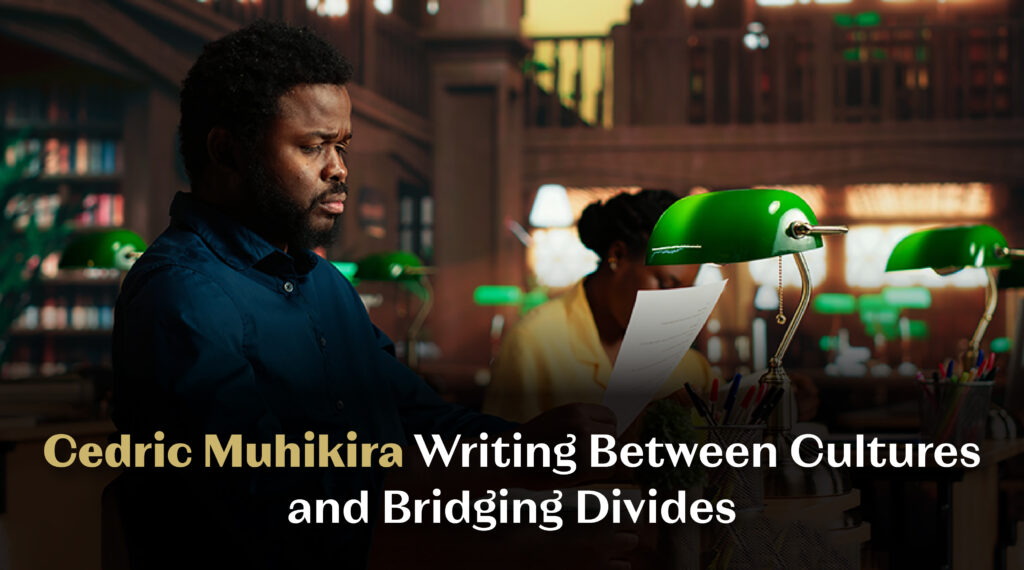
Cedric Muhikira Writing Between Cultures and Bridging Divides

In an era defined by globalization, rapid digital transformation, and interconnected professional networks, the ability to bridge cultural divides has become more than a personal skill—it is a corporate necessity. Diversity and inclusion are no longer just aspirational values but essential components of organizational success. At the heart of these conversations is Cedric Muhikira, whose work exemplifies how writing between cultures can shape understanding, foster inclusivity, and empower both individuals and corporations. Through his reflections and narratives, Muhikira explores the complexities of identity, belonging, and resilience. His writing not only addresses personal experiences but also offers a framework for organizations navigating multicultural workforces and global markets. By bridging divides through storytelling, he demonstrates how cultural differences can transform into opportunities for growth, collaboration, and innovation. The Power of Writing Between Cultures Writing has always been a medium for connection, but in Muhikira’s work, it becomes a strategic tool for bridging divides. His narratives transcend geographic borders, giving voice to experiences that many individuals face when navigating multiple cultural identities. In corporate terms, this reflects a vital reality: organizations are microcosms of cultural intersections. Global companies employ talent from diverse backgrounds, each bringing unique stories, values, and perspectives. Writing between cultures, as exemplified by Cedric Muhikira, demonstrates how these differences can be harmonized to create stronger, more innovative teams. Muhikira’s approach is not about erasing cultural distinctions but about acknowledging them, amplifying them, and integrating them into broader narratives of belonging. This mirrors the corporate need for inclusive practices that honor individuality while driving collective performance. Bridging Divides in a Corporate Context In today’s corporate environment, divides often emerge not just from geography but from miscommunication, lack of cultural awareness, and fragmented organizational practices. These divides can hinder collaboration, reduce employee engagement, and even stifle innovation. Muhikira’s insights provide actionable lessons for addressing these divides: Cedric Muhikira’s Tech-Savvy Perspective What makes Muhikira’s contribution especially relevant to today’s corporate audience is his ability to contextualize cultural divides within the digital era. Writing between cultures is not confined to print or traditional storytelling; it extends into digital platforms where identity and belonging are continuously negotiated. Social media, professional networking platforms, and digital collaboration tools amplify cultural intersections, creating both opportunities and challenges. Muhikira’s insights align with the corporate need to manage digital workspaces inclusively. For example, a globally distributed team collaborating on cloud platforms must navigate cultural nuances in communication styles, decision-making, and feedback. By recognizing these dynamics, organizations can adopt strategies that bridge divides digitally—ensuring that employees feel connected whether they are in headquarters or halfway across the globe. The Role of Storytelling in Organizational Growth Storytelling is not just a literary device—it is a corporate strategy. Muhikira’s writing demonstrates how personal stories can illuminate larger truths about identity, migration, and resilience. In business, storytelling can be leveraged to: By embracing storytelling in the way Muhikira has modeled, companies can transform cultural divides into strengths, reinforcing their global competitiveness. Identity and Belonging Across Borders Central to Muhikira’s work is the idea that identity is fluid, particularly for individuals living between cultures. This resonates deeply in corporate environments where employees often balance professional roles with personal identities shaped by migration, heritage, and cultural traditions. Muhikira highlights the importance of embracing this fluidity rather than resisting it. For corporations, this translates into policies and practices that respect employees’ identities while integrating them into collective organizational goals. Companies that prioritize belonging see higher engagement, productivity, and retention—outcomes directly linked to corporate success. Lessons for Global Leadership Leaders navigating global markets can learn significantly from Muhikira’s writing. Bridging divides is not just about managing differences but about leveraging them strategically. Leaders who internalize these lessons can: Muhikira’s work illustrates that leadership in the 21st century requires cultural sensitivity as much as technical expertise. Corporate Applications of Bridging Divides Organizations can integrate the principles of Muhikira’s writing in several ways: Why Cedric Muhikira’s Work Matters Now In a world increasingly shaped by migration, remote work, and global business operations, cultural divides are both inevitable and significant. Cedric Muhikira’s writing between cultures provides a roadmap for turning those divides into opportunities. His work underscores a critical corporate truth: inclusivity drives innovation, resilience, and growth. By adopting his perspectives, organizations can transform into spaces where differences are not just tolerated but celebrated. Conclusion Cedric Muhikira’s writing exemplifies the art and strategy of bridging divides. By exploring identity and belonging across cultures, he offers insights that are as relevant to individuals as they are to corporations. His work demonstrates that bridging divides is not about eliminating differences but about finding strength in them. For the corporate world, this is an urgent call to action. Companies must embrace diversity not as a checkbox but as a strategic advantage. By fostering belonging, amplifying stories, and leveraging cultural intelligence, organizations can build inclusive ecosystems that thrive in the global marketplace. For individuals, Muhikira’s message is equally powerful: writing between cultures is an opportunity to grow, connect, and lead. It is a reminder that identity is not confined by borders and that divides can be bridged with empathy, resilience, and authenticity. In today’s digital-first, interconnected world, Cedric Muhikira’s work is both timely and transformative. By bridging divides, we not only create inclusive workplaces but also shape a future where diversity is a source of collective strength.

Scroll to Top