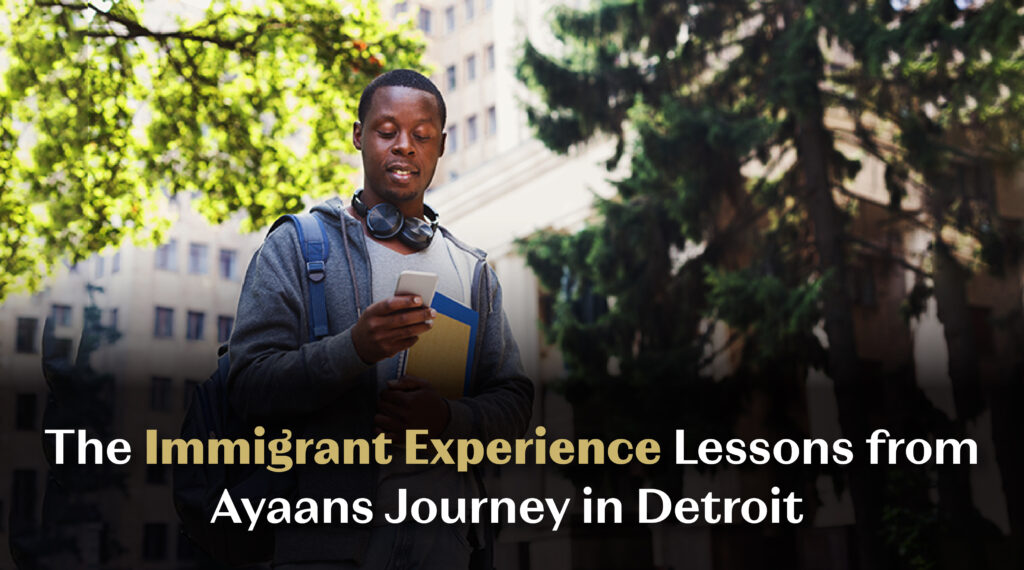
The Immigrant Experience Lessons from Ayaan’s Journey in Detroit
In today’s interconnected corporate world, the immigrant experience is more than a personal story—it is a roadmap of resilience, adaptability, and innovation. As global organizations rely on diverse talent pools, understanding the lessons embedded in immigrant journeys has become critical. Ayaan’s journey in Detroit is one such story, offering valuable insights into how cultural transitions shape identity, professional growth, and community integration. Detroit, historically a hub for industry and innovation, has long been a magnet for immigrants seeking opportunity. By exploring his journey, we uncover how personal resilience transforms into corporate value, and how organizations can learn from the immigrant experience to build stronger, more inclusive workplaces. The Immigrant Experience as a Blueprint for Resilience Immigration is rarely a straightforward path. It involves uprooting from the familiar, embracing the unknown, and adapting to new systems. Ayaan’s journey in Detroit reflects this complexity. From navigating language barriers to adjusting to cultural norms, each challenge tested resilience. For corporations, resilience is a highly sought-after skill. Ayaan’s immigrant experience mirrors these qualities. His ability to overcome obstacles illustrates how resilience born from migration can directly benefit professional environments. Employers who recognize and value this resilience tap into a powerful source of adaptability within their workforce. Identity Formation in a Multicultural City Detroit is a city built on layers of cultural heritage. For immigrants like Ayaan, it provides a fertile ground for shaping identity that blends tradition with modernity. This process of identity formation holds corporate relevance. In diverse workplaces, employees often bring multifaceted identities shaped by migration. Ayaan’s story highlights the importance of creating spaces where individuals can express authenticity without compromising professional aspirations. Companies that cultivate such environments foster higher engagement, trust, and long-term commitment. Professional Growth Through Adaptability Ayaan’s immigrant journey in Detroit was not only about personal adjustment but also about professional transformation. Initially navigating entry-level opportunities, he demonstrated adaptability by learning new skills, building networks, and embracing continuous growth. For organizations, adaptability is a cornerstone of digital transformation and global expansion. Employees with immigrant experiences often exhibit exceptional agility, having already learned how to thrive in unfamiliar environments. The Role of Community and Networks No immigrant succeeds alone. Ayaan’s journey in Detroit was supported by local communities, mentors, and professional networks that provided guidance and opportunities. This collective support enabled him to transition from survival to success. Corporations can learn from this model by fostering mentorship programs, employee resource groups, and inclusive professional networks. These structures create belonging and enable employees—immigrant or otherwise—to thrive. Lessons for Corporate Leadership Ayaan’s journey offers strategic insights for leaders operating in multicultural environments: By embracing these lessons, executives can transform cultural diversity from a challenge into a strategic advantage. Technology and the Immigrant Journey The immigrant experience today is inseparable from technology. From using digital platforms to stay connected with family abroad to leveraging online learning tools for skill development, technology plays a critical role in shaping immigrant journeys. For Ayaan, Detroit’s evolving tech ecosystem provided resources for professional growth. Access to digital tools enabled him to reskill, network, and engage with opportunities that might have been out of reach otherwise. Corporations must recognize the importance of digital inclusion in supporting employees with diverse backgrounds. By providing access to cutting-edge technology and digital training, organizations can empower immigrant employees to maximize their contributions while advancing corporate innovation. The Detroit Context: A City of Reinvention Detroit’s history of reinvention mirrors the immigrant journey itself. Once the epicenter of the automotive industry, the city has transformed into a hub for startups, technology, and culture. Ayaan’s immigrant experience is interwoven with Detroit’s narrative of resilience and renewal. This parallel underscores a key corporate lesson: reinvention is essential for survival. Just as immigrants reinvent themselves in new contexts, organizations must continually evolve to remain competitive. By studying immigrant journeys, companies can better understand the mindset required to thrive in times of disruption. Building Belonging in Corporate Spaces Belonging is at the heart of the immigrant experience. This sense of belonging empowered him to invest his energy fully into professional and personal growth. In corporate environments, belonging directly influences productivity and retention. Employees who feel seen, heard, and valued are more likely to perform at their best. Ayaan’s story highlights the importance of embedding belonging into corporate culture—through inclusive policies, recognition programs, and intentional leadership. Corporate Applications of the Immigrant Experience Organizations can operationalize the lessons of immigrant journeys in practical ways: Conclusion His story underscores the importance of embracing cultural identity, leveraging adaptability, and building belonging. For organizations, these lessons are not abstract—they are actionable strategies for cultivating inclusive workplaces and thriving in global markets. As businesses navigate the complexities of the 21st century, immigrant experiences like Ayaan’s provide a roadmap for sustainable success. By valuing these journeys, organizations can transform divides into connections, challenges into opportunities, and diversity into a catalyst for growth. The immigrant experience embodied in Ayaan’s journey in Detroit is not just about surviving transitions but about shaping personal growth and driving corporate progress. It is a reminder that in every migration story lies the blueprint for resilience, innovation, and inclusive leadership.